
Your Body Language & Tone Can Make or Break You.
It's always been about how you say it. It's only 7% of what you say that truly matters.
12/11/20255 min read
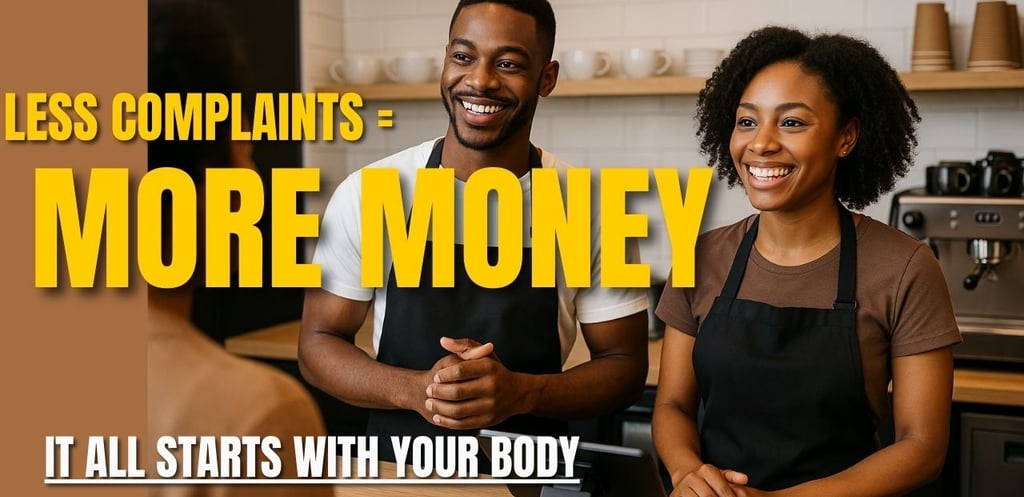

Body Language Secrets That Elevate Hospitality Service.
Here's a secret that might surprise you: Your words only account for about 7% of communication. The other 93%? That's all body language and tone of voice.
In hospitality, where creating connections and reading guests is everything, mastering body language isn't just a nice-to-have skill—it's your superpower. Whether you're managing a hotel front desk, coordinating a high-stakes event, or leading a restaurant team, understanding the silent signals you're sending (and receiving) can be the difference between good service and unforgettable service.
Let's break down the body language secrets that will take your hospitality game to the next level.
The Power Pose: Your Opening Stance Matters
Picture this: A guest walks into your venue and sees a staff member slouched over a podium, arms crossed, looking at their phone. What message does that send?
Now imagine the same guest seeing a staff member standing tall, shoulders back, with an open posture and a warm smile. Different story, right?
The Secret: Your posture communicates confidence, professionalism, and approachability before you say a single word.
How to Train It:
Hotel Front Desk: Stand with weight evenly distributed, shoulders relaxed but back. Keep your hands visible and resting comfortably on the counter (not gripping it like a life raft).
Restaurant Hosts: Stand at the host stand with your body angled slightly toward the entrance, not buried in the reservation book. This signals you're ready and aware.
Event Coordinators: Keep your posture open during guest arrivals. Crossed arms might feel comfortable, but they signal "closed for business."
Quick Tip: Do a posture check before each shift. I call it the "string test"—imagine a string pulling you up from the crown of your head. Instant confidence boost.
The Smile That Reaches Your Eyes
We've all experienced the fake smile. You know the one—lips curved, but the eyes are dead. Guests can spot it from across the room, and it kills the vibe instantly.
The Secret: A genuine smile engages your entire face, especially your eyes. It's called a "Duchenne smile," and it's scientifically proven to be contagious.
How to Train It: The trick is to think of something genuinely pleasant right before greeting a guest. I know it sounds cheesy, but it works. Your favorite vacation spot, your dog's goofy face, that perfect cup of coffee this morning—whatever makes you actually feel warm inside will translate to your face.
For Your Team: During training, practice "smile with your eyes" exercises. Have team members pair up and practice greeting each other. The person being greeted gives honest feedback: "Did that feel genuine?" It's awkward at first, but incredibly effective.
Restaurant Reality Check: Your servers have been on their feet for six hours. The kitchen is slammed. They're tired. But here's the magic—when they take three seconds to reset their facial expression before approaching a table, guests have no idea about the chaos behind the scenes. That mental reset is everything.
The Art of Mirroring (Without Being Creepy)
Here's a fascinating phenomenon: We naturally trust people who are similar to us. In hospitality, you can use subtle mirroring to build instant rapport with guests.
The Secret: Matching your guest's energy level, pace of speech, and even posture (subtly!) makes them feel understood and comfortable.
How It Works:
If a guest is speaking quickly and seems energized, match their enthusiasm
If they're speaking slowly and seem tired, lower your energy to match (not in a tired way, but in a calm, soothing way)
If they're leaning in to share something, lean in slightly to show engagement
The Hotel Check-In Example: Business traveler rushes in, clearly stressed about time: Match their efficiency. Quick greeting, streamlined check-in, no unnecessary small talk.
Family checking in for vacation, excited and chatty: Match their warmth. Take an extra moment to welcome the kids, ask about their plans, share a restaurant recommendation.
Important: This is about matching energy, not mimicking movements like a mime. Keep it natural and subtle.
The Hands Tell the Story
Your hands are incredibly expressive, and guests notice them more than you think.
The Secret: Open palms and purposeful gestures communicate honesty, warmth, and confidence. Hidden or fidgety hands signal nervousness or dishonesty.
What to Do:
When directing guests: Use open-palm gestures to point toward elevators, tables, or event spaces. It's more welcoming than pointing with one finger.
When listening: Keep hands visible, perhaps clasped gently or resting naturally. Don't fidget with pens, hair, or devices.
When presenting something: Whether it's a menu, room key, or event program, hand it over with both hands when possible. It shows respect and care.
Event Coordinator Pro Tip: When walking guests to their tables or showing them around a venue, use the "presenting gesture"—extend your arm with an open palm in the direction you want them to go. It's elegant and clear.
The Space Between: Respecting Personal Bubbles
Proximity is tricky in hospitality. Get too close and guests feel uncomfortable. Stay too far and you seem cold or disengaged.
The Secret: There's a sweet spot called "social distance" (about 4-7 feet) that works for most hospitality interactions. For more personal service moments, you can move slightly closer, but always read the guest's comfort level.
The Test: If a guest takes a step back, you're too close. If they lean in to hear you, you're too far.
Restaurant Scenario: When taking orders, your server shouldn't hover over the table but should be close enough that guests don't have to raise their voices. Standing at the corner of the table (not looming over diners) is the sweet spot.
Hotel Concierge Approach: When giving directions or recommendations, position yourself beside the guest rather than directly in front of them. It feels more collaborative and less confrontational.
Eye Contact: The Goldilocks Zone
Too much eye contact feels intense and uncomfortable. Too little seems shifty or disinterested. You need just the right amount.
The Secret: The "50/70 rule"—maintain eye contact about 50% of the time while speaking and 70% while listening.
How to Practice: Train your team to make eye contact when greeting a guest, then naturally break it as they move into the task at hand (checking them in, seating them, etc.), then re-establish it when wrapping up the interaction.
Cultural Consideration: Remember that eye contact norms vary by culture. Pay attention to your guest's comfort level and adjust accordingly.
Reading Guest Body Language: The Other Half of the Equation
So far we've talked about your body language, but reading your guests' signals is equally important.
What to Watch For:
Crossed Arms + Furrowed Brow = Frustration or Concern Response: Approach with empathy, use a calm tone, ask how you can help.
Leaning Forward + Nodding = Engaged and Interested Response: This is your green light to provide more detail or make recommendations.
Looking Around Frequently = Lost or Uncertain Response: Proactively offer assistance before they have to ask.
Checking Watch/Phone Repeatedly = Time Pressure Response: Be efficient, skip the small talk, get them what they need quickly.
Relaxed Posture + Smiling = Comfortable and Happy Response: Continue to move at a quick pace, you're nailing it.
Your 5-Minute Body Language Training Exercise
Want to get your team practicing this today? Here's a quick, fun drill:
The Silent Service Challenge: Pair up your team members. One plays the guest, one plays the staff member. They must communicate a full service interaction (greeting, seating, or check-in) using ONLY body language—no words allowed.
After two minutes, switch roles. Then debrief: What worked? What felt awkward? What made the "guest" feel welcome?
This exercise makes people hyper-aware of their non-verbal communication in a low-stakes, often hilarious way. And the lessons stick.
The Bottom Line
Body language isn't about being fake or putting on a performance. It's about being intentional with how you show up for your guests. When your team masters these subtle signals, service stops feeling transactional and starts feeling human.
And that's what hospitality is really about, isn't it? Making people feel seen, valued, and cared for—often before you've said a word.
This Week's Challenge: Pick one body language element from this post and make it your team's focus for the week. Share your observations in your next team meeting. I'd love to hear what you discover!
What body language mistakes have you caught yourself making? Or what's a body language win you've witnessed in hospitality?
Excellence
Making your guest feel right at home.
Service
Coaching
Events@Eventiste.com
© 2023. All rights reserved.